
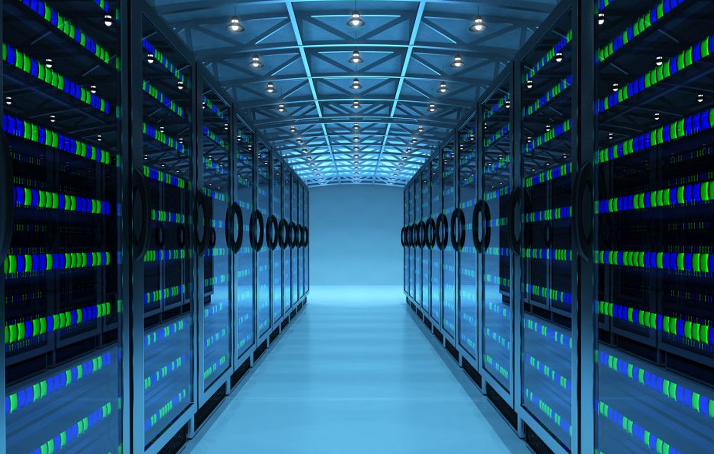
Explore the wide range and smart technology of
Server Hardware Systems for your Datacentre with Adit Microsys

server-backup-stock

Adit Microsys is one of the most trusted names for Datacentre Server Solution in Ahmedabad. Having established more than XXXXX Datacentres we are experts in the domain offering a wide range of servers, related components, and services. Our team of experts can help your select the best type of server for your data center relating to the utility, challenges, and scope.

We work with global brands like HPE, DELL, and Lenovo ensuring to offer the best of the technology to our clients to enhance the utility of your Datacentre with perfection.

Why Choose Our Server Solutions


server1-expertise

Expert Consultation

Get professional guidance to choose the right server infrastructure based on your business requirements.

server2-one-stop-solution-icon

Complete Server Setup

From planning and deployment to configuration, we provide end-to-end server solutions.

server3-experts-advice

Technical Expertise

Our experienced team ensures optimal server performance, security, and scalability.

server4-service

Dedicated Support

Reliable support services to maintain server health and ensure uninterrupted operations.

server5-speed

Optimized Performance

High-performance servers designed to handle critical workloads efficiently.

server6-quality

Proven Reliability

We deliver robust and secure server solutions using trusted technologies for long-term stability.

ups-and-power-supply-systems-icon1

Types of Servers for Data-centre

There are many types of servers listed below based on the functionality. Organizations can select one or multiple types of servers based on the requirement.


  • File servers: File servers store and distribute files that can be accessed by multiple clients or users. File server hardware can be designed to maximize read and write speeds to improve performance.
  • Print servers: Print servers allow for the management and distribution of printing functionality. A single print server can respond to printing requests from numerous clients.
  • Application servers: Application servers run applications instead of client computers running applications locally. Application servers remove the need for each client to have sufficient resources to run the applications. It also removes the need to install and maintain software on many machines as opposed to only one.
  • DNS servers: Domain Name System (DNS) servers are application servers that provide name resolution to client computers by converting names easily understood by humans into machine-readable IP addresses.
  • Mail servers: Mail servers are a very common type of application server. Mail servers receive emails sent to a user and store them until requested by a client on behalf of said user.
  • Web servers: One of the most abundant types of servers in today’s market is a web server. A web server is a special kind of application server that hosts programs and data requested by users across the Internet or an intranet.
  • Database servers: Database servers run database applications and respond to numerous requests from clients. Common database server applications include Oracle, Microsoft SQL Server, DB2, and Informix.
  • Virtual servers: Virtual servers are popular and are taking the server world by storm. Unlike traditional servers that are installed as an operating system on machine hardware, virtual servers exist only as defined within specialized software called a hypervisor. Each hypervisor can run hundreds, or even thousands, of virtual servers all at once.
  • Proxy servers: A proxy server acts as an intermediary between a client and a server and is often used to isolate either the clients or servers for security purposes, a proxy server takes the request from the client.
  • Monitoring and management servers: Some servers exist to monitor or manage other systems and clients. There are many types of monitoring servers. The monitoring server can keep track of all the traffic on the network and the requests and replies of clients and servers, without interfering with those operations.